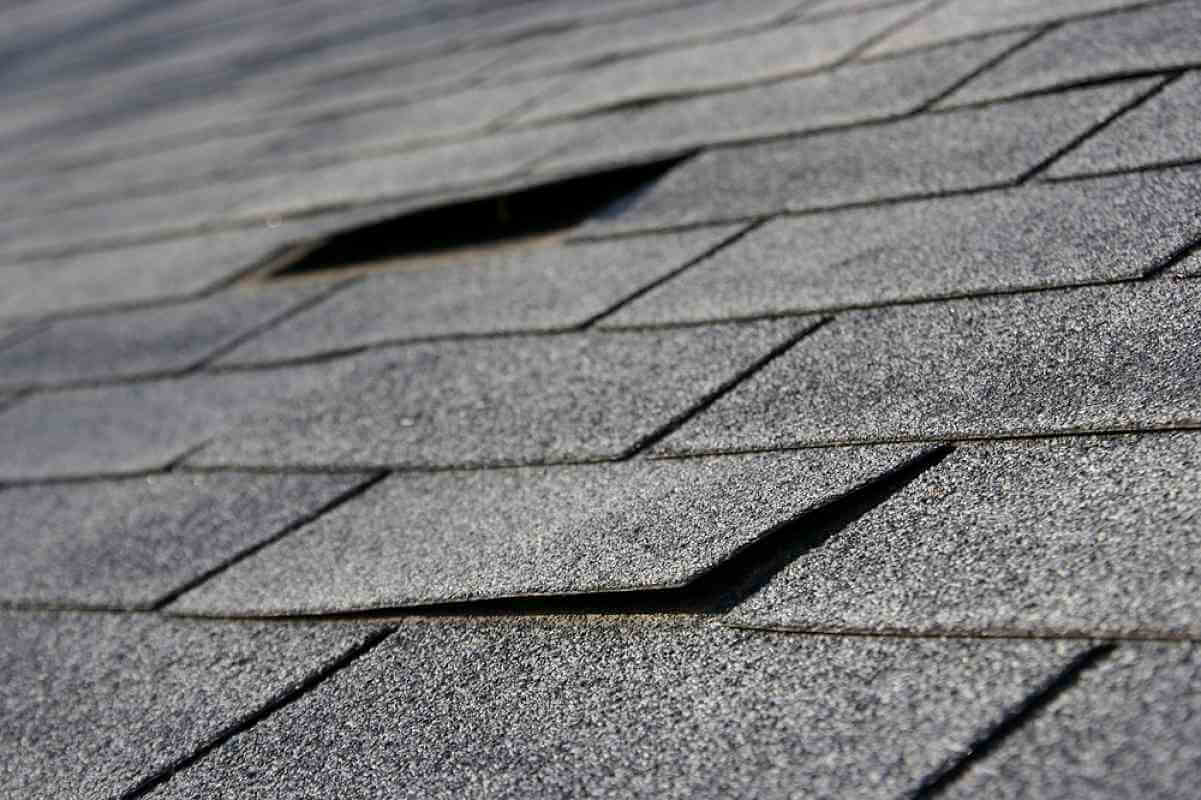
In the hurricane-prone state of Florida, the roofing landscape is on the brink of a significant transformation. Asphalt shingles, long the go-to choice for their affordability and ease of installation, are now under scrutiny. Covering over 70% of Gulf Coast homes, these shingles have been a staple due to their low cost and quick setup. However, as storms intensify and insurance premiums skyrocket, state officials are questioning their viability. Florida Insurance Commissioner Michael Yaworsky recently highlighted this at the Florida Chamber of Commerce 2024 Insurance Summit, stating, “It’s probably time to look past asphalt shingles,” and suggesting it's time to “start writing them out of the plot in Florida.” This sentiment arises amid a deepening insurance crisis, where more than 30 providers fled the state in 2023, leaving homeowners reliant on the overburdened Citizens Property Insurance Corp.
The primary reasons for this potential shift are rooted in resilience and economics. Asphalt shingles are rated for winds up to 110 mph but often fall short of their 30-year lifespan, especially in Florida's harsh weather. Degraded shingles exacerbate storm damage, leading to frequent claims that strain insurers. With Citizens holding 1.3 million policies, the financial pressure is immense. Yaworsky's office praises Florida's building codes but urges consideration of more durable options to bolster home strength and possibly reduce premiums through insurance credits. The goal is clear: enhance property durability to stabilize the insurance market and protect residents from escalating costs.
What alternatives are on the table? Metal roofs emerge as a strong contender, costing about 65% more than asphalt but offering superior wind resistance and a quieter performance during rainstorms. Ceramic or concrete tiles, priced around 50% higher, boast lifespans exceeding 50 years and excel in fire and wind resistance, though their weight may necessitate structural upgrades. Then there's the FORTIFIED Roof System, which adds 10-20% to upfront costs but is engineered for hurricane-force winds with reinforced attachments and sealed decks. Programs like My Safe Florida Home provide matching funds for such upgrades, helping offset the expense.
This transition isn't without challenges for the roofing industry. Contractors may need specialized training for installing these premium materials, and while demand could rise, longer-lasting roofs might mean fewer replacements, shrinking the market over time. Stakeholder reactions are mixed. Manufacturers like Roser are optimistic, tracking developments closely with their metal products that mimic tiles or shingles while delivering steel's strength. However, contractors like Ty Smith of Smith & Ramirez Roofing defend asphalt, noting that alternatives like metal or tile suffer more from hail damage, and new shingles offer unlimited wind ratings. Billy Venhuizen of Hermitage Roofing echoes affordability concerns, pointing out that not everyone can swing a $23,000 roof replacement.
Looking ahead, no immediate legislative changes are set, but Yaworsky's comments signal a policy pivot. As Florida grapples with climate-driven storms, prioritizing resilient roofing could redefine homeownership. Homeowners should weigh the long-term savings against initial investments, potentially consulting local experts. This shift, if realized, might not only fortify homes but also reinvigorate the insurance ecosystem, offering a blueprint for other vulnerable regions.